
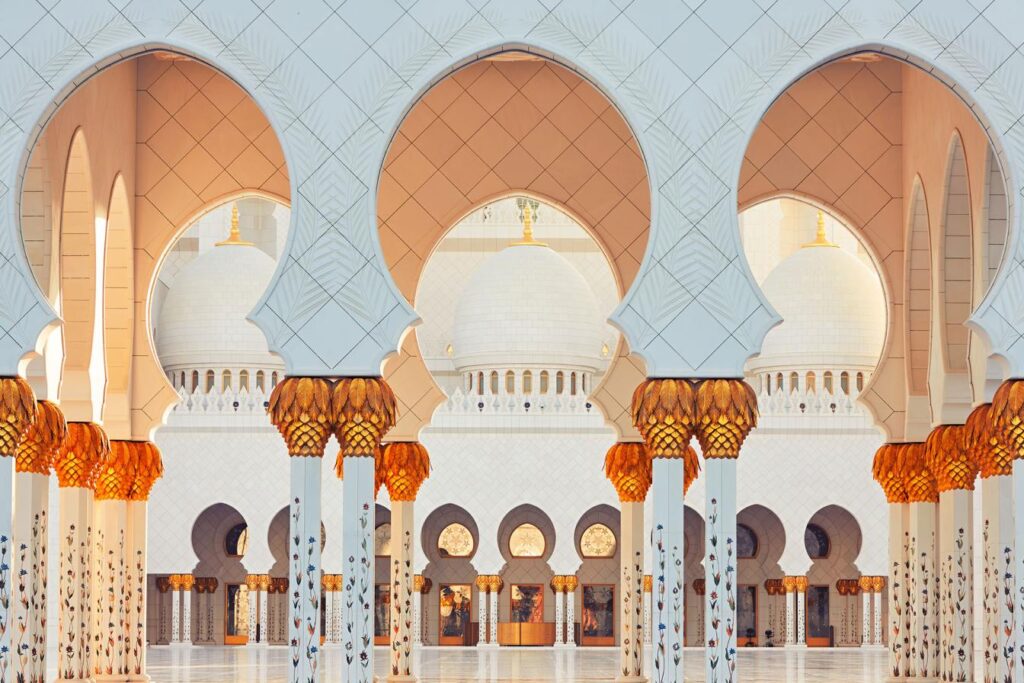
Islamic centers play a central role in shaping the spiritual and social lives of Muslims in the modern world. They act as anchors of faith while responding to the evolving needs of diverse communities.
Spiritual Growth and Identity
Islamic centers provide essential spaces for worship, reflection, and spiritual development. Daily prayers, Friday sermons, and religious gatherings help Muslims maintain a strong connection to their faith while navigating modern challenges.
Supporting Families and Individuals
Modern Islamic centers often serve as community support hubs. Counseling services, marriage workshops, youth mentorship programs, and mental health awareness initiatives address real-life concerns faced by Muslims today.
Empowering Youth and Future Leaders
Youth engagement is a priority for many centers. Through leadership programs, educational workshops, and volunteer opportunities, Islamic centers empower young Muslims to be confident in their identity and active contributors to society.
Adapting to Contemporary Needs
Whether through digital learning platforms, community forums, or social outreach, Islamic centers continue to adapt to changing times. Their role extends beyond religious instruction to fostering belonging, resilience, and unity.
A Living Institution
In the modern Muslim community, Islamic centers are not static institutions but living spaces that grow with their people—nurturing faith, strengthening bonds, and shaping a positive future.